
Why early matters so much
The first three years are when the brain lays down the pathways for speech and language, and it does so using the sound it receives. A hearing loss present during that window delays language, and the delay grows the longer it goes undetected. Identified early, most children catch up with their peers.
Hearing loss in children is not always permanent. Glue ear, or fluid behind the eardrum, is extremely common after colds and ear infections and can produce a temporary loss that still affects learning if it persists through a school term.
Milestones to expect
- Newborn: startles at sudden loud sound, settles to a familiar voice
- 3 to 4 months: turns towards a voice, quietens or smiles when spoken to
- 6 to 9 months: babbles with varied sounds, responds to their own name
- 12 months: uses one or two words, follows a simple instruction with a gesture
- 18 to 24 months: a growing vocabulary, begins joining two words together
- 3 years: speech that unfamiliar adults can mostly understand
Warning signs at any age
Bring a child for testing if speech is delayed or unclear for their age, if they turn the television up or sit very close, if they do not respond unless facing you, if teachers report inattention, if they mispronounce sounds their peers have mastered, or if there is a family history of childhood hearing loss. Recurrent ear infections and discharge also warrant a check.
A child never being too young to test is the point worth repeating. We assess newborns and infants with objective methods that require no cooperation at all.
How children are tested
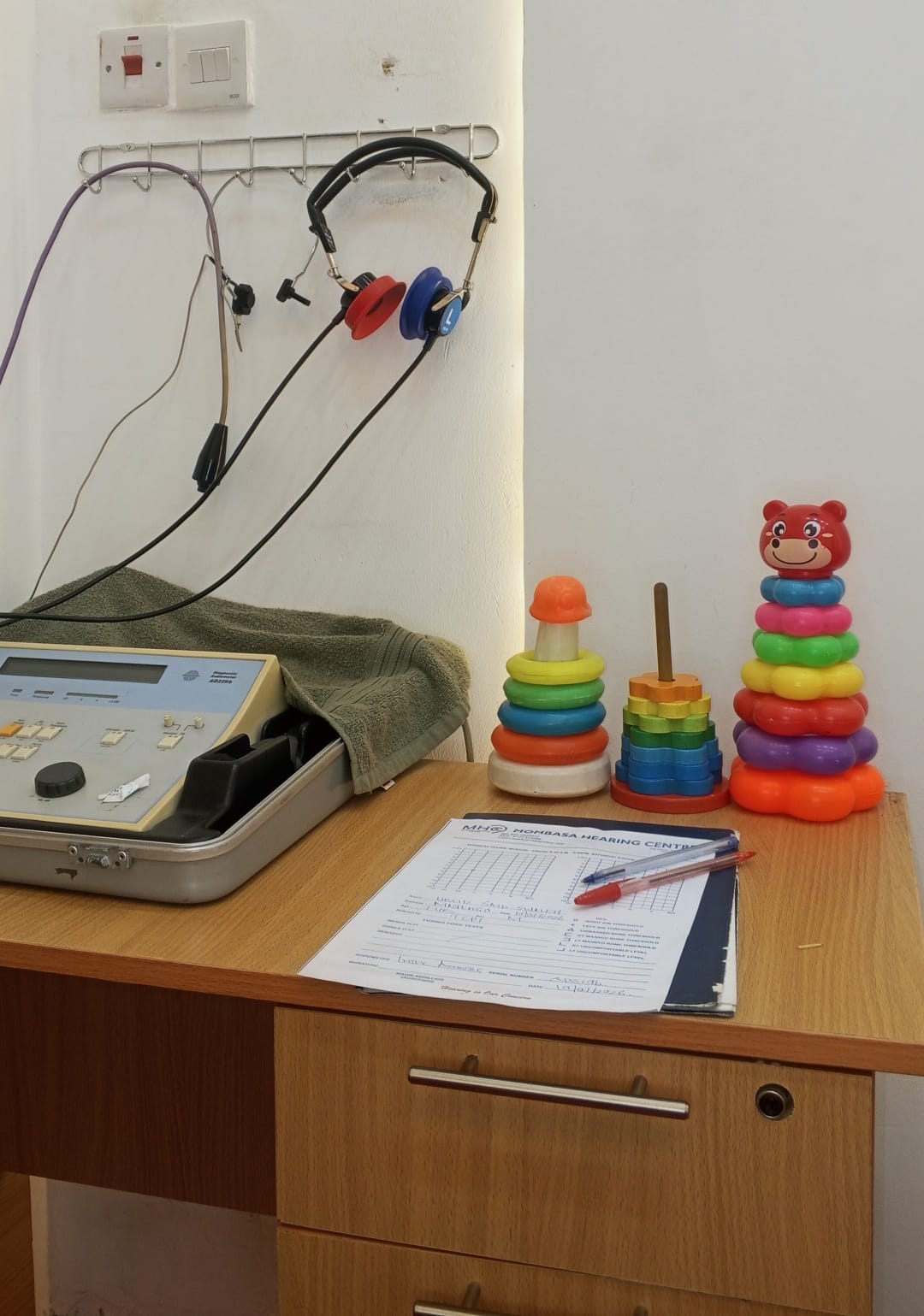
Testing is matched to age. Brainstem evoked response audiometry records the brain's automatic response while the baby sleeps. Tympanometry checks middle-ear function in seconds. Older infants are tested with visual reinforcement audiometry, and preschool children with play audiometry, where the child drops a block each time a sound is heard.
Everything is explained to parents at the visit, and results are provided in writing for schools, paediatricians and ENT colleagues wherever you are in the country.