
Diagnostics
Hearing and balance tests
Accurate diagnosis is where good hearing care begins. Our audiologists run a full diagnostic range at NSSF Building on Nkrumah Road, from the standard audiogram to objective brainstem and balance testing, with results explained to you the same day.
How we test
A method, not a quick check
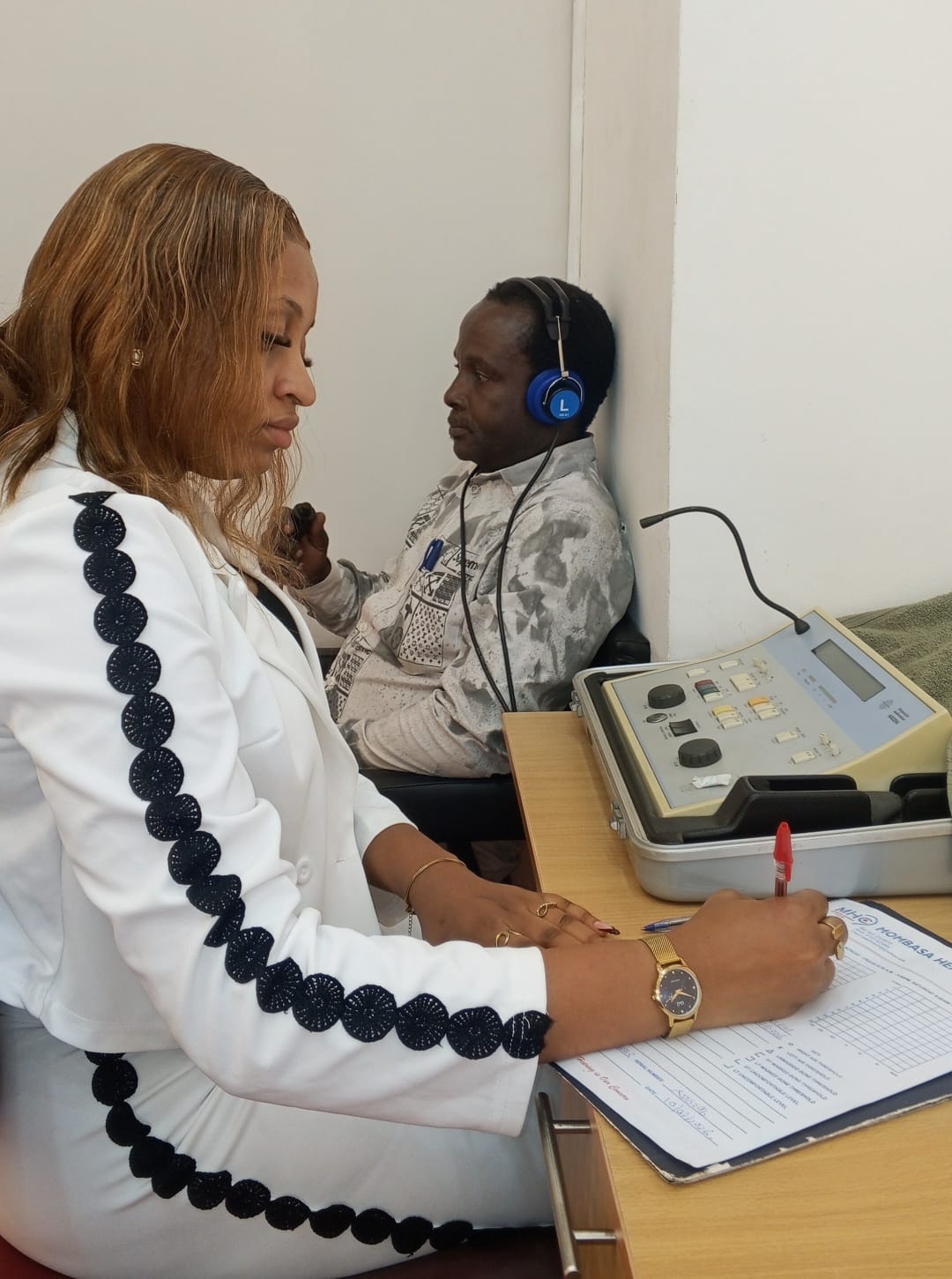
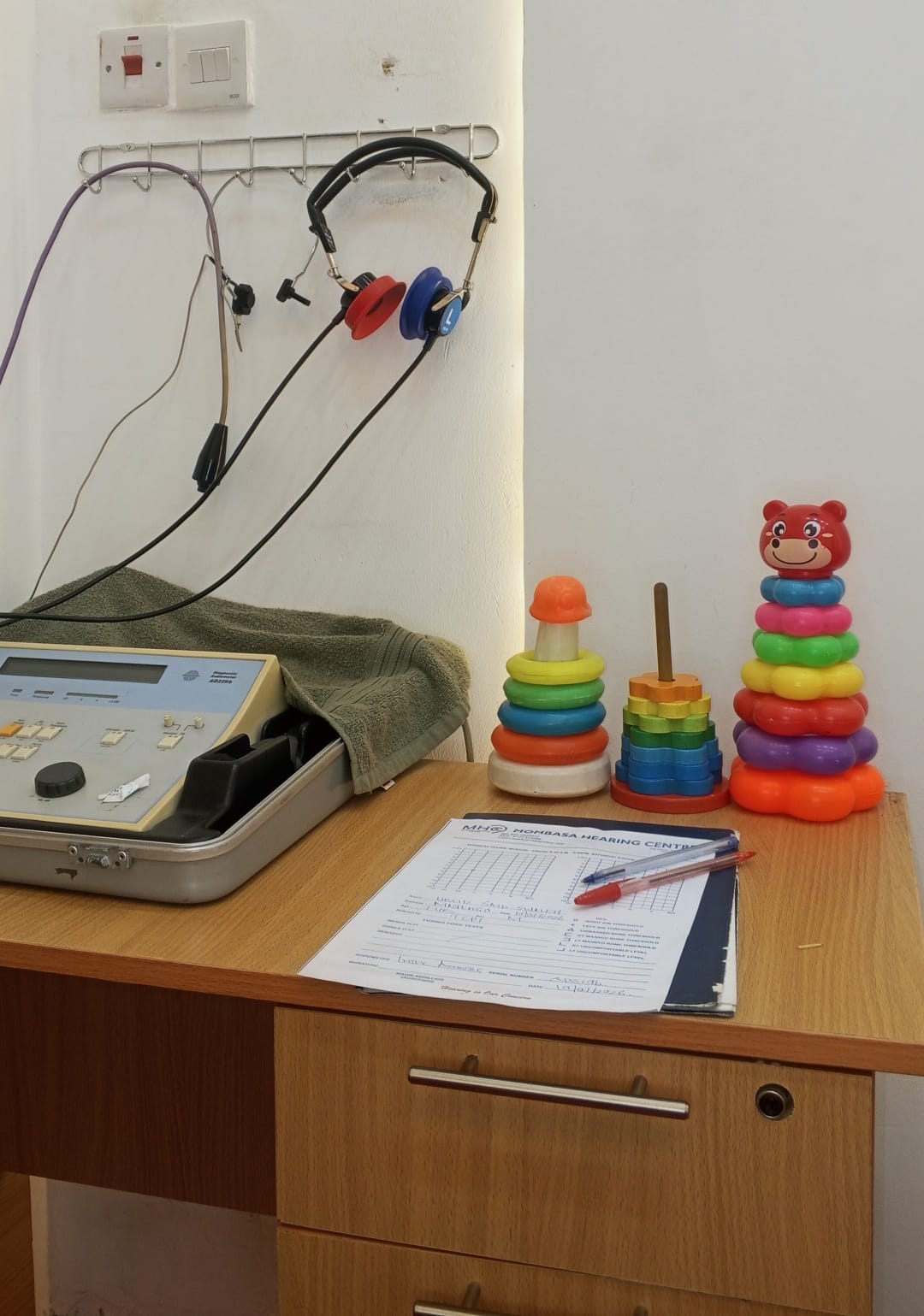
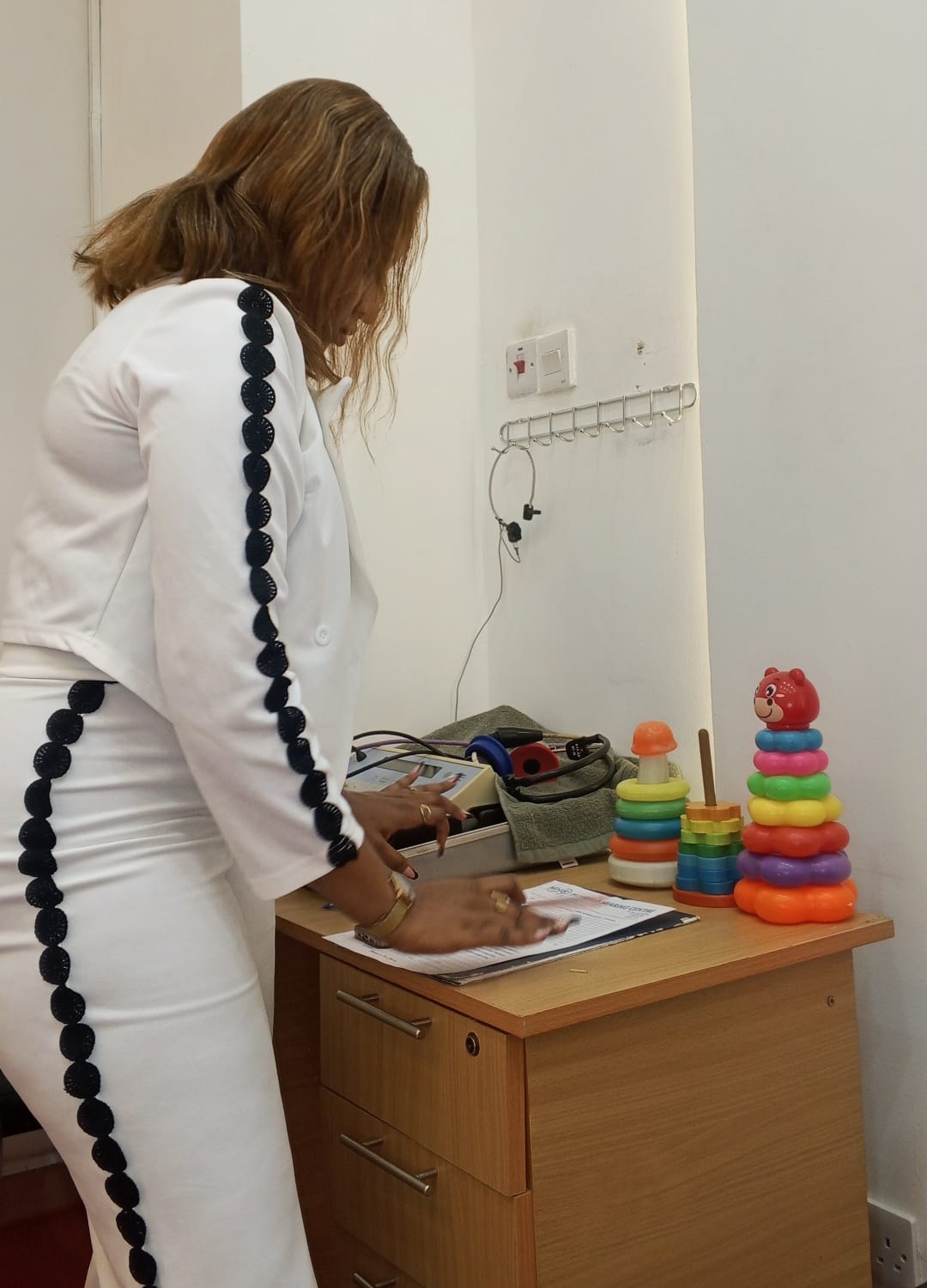
A hearing test is only as good as the hands running it. Masking, probe seal, reflex thresholds and paediatric conditioning are skilled steps, and they are the difference between a result you can act on and a number on a page.
- 1
Listen to the story first
Every appointment opens with a conversation. When the difficulty started, where it bites hardest, what has already been tried. That history shapes which tests we run.
- 2
Look inside the ear
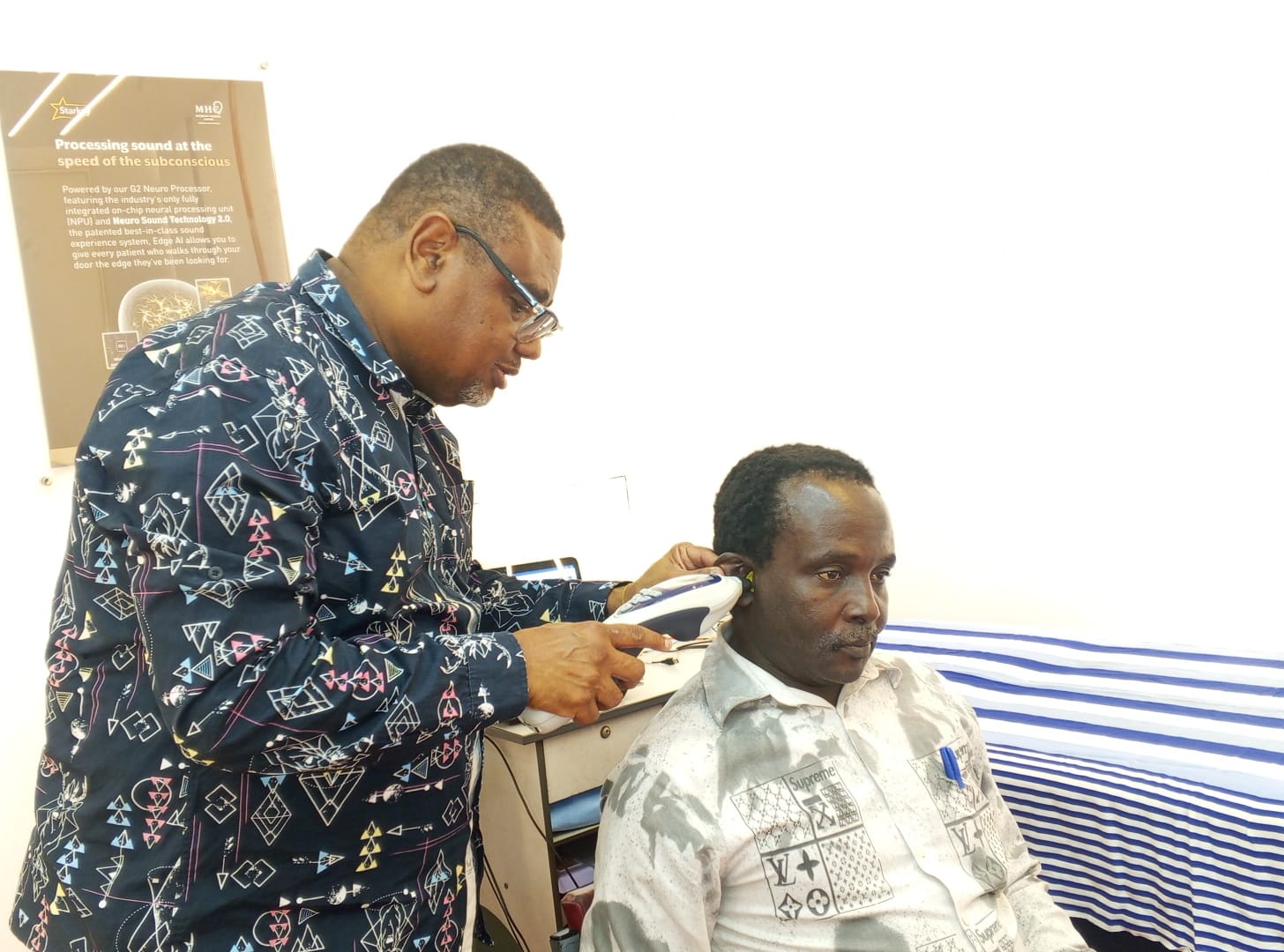
Otoscopy before anything else. Wax, infection or a retracted eardrum will distort every measurement that follows, so they are dealt with first.
- 3
Measure, do not guess
Calibrated equipment, established protocols and results recorded directly into your file. Nothing is estimated from how loudly you say you can hear.
- 4
Explain it plainly
You leave knowing what your audiogram shows, in English or Kiswahili, with a written report for your doctor, employer or school.
Diagnostic range
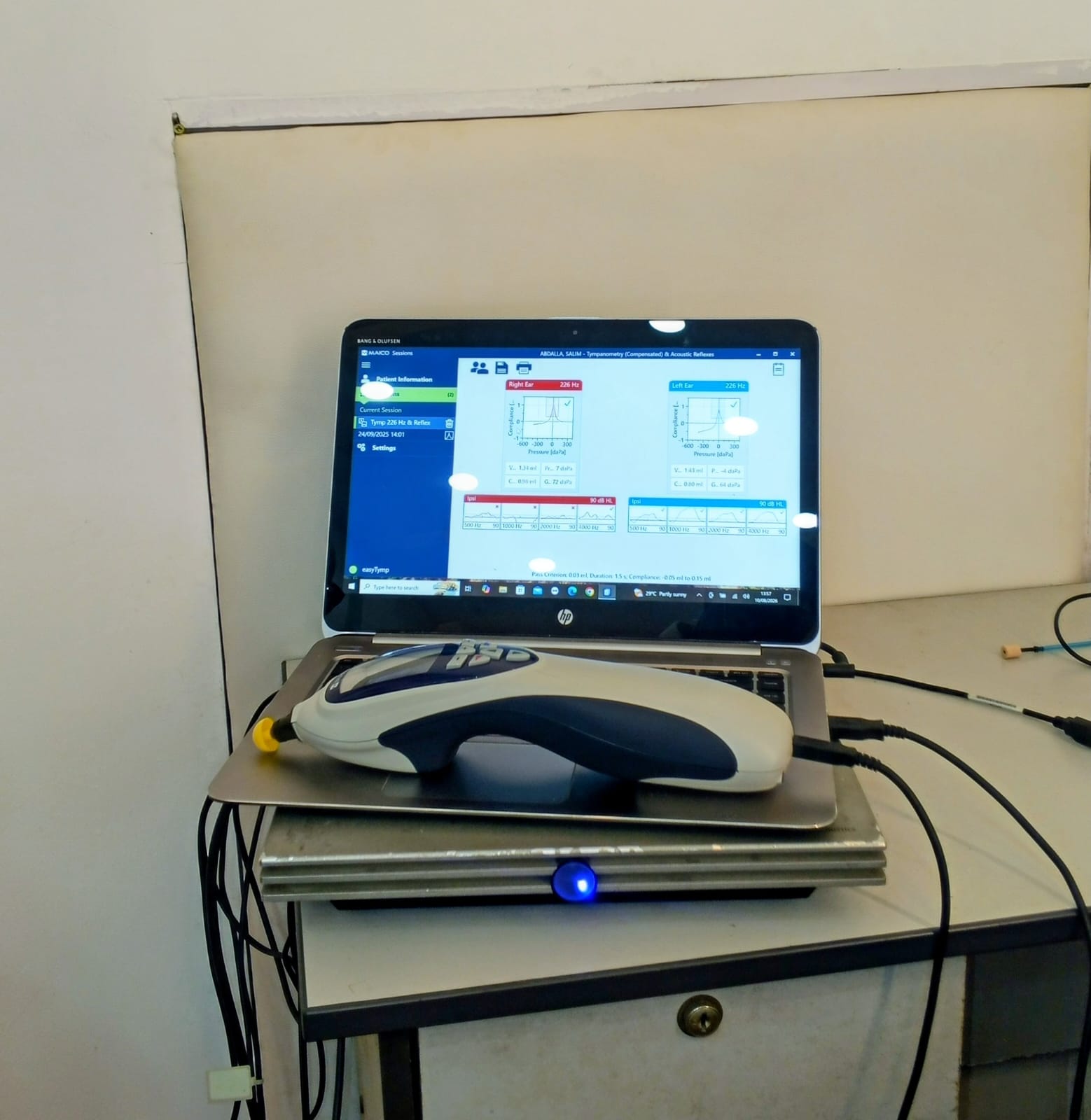
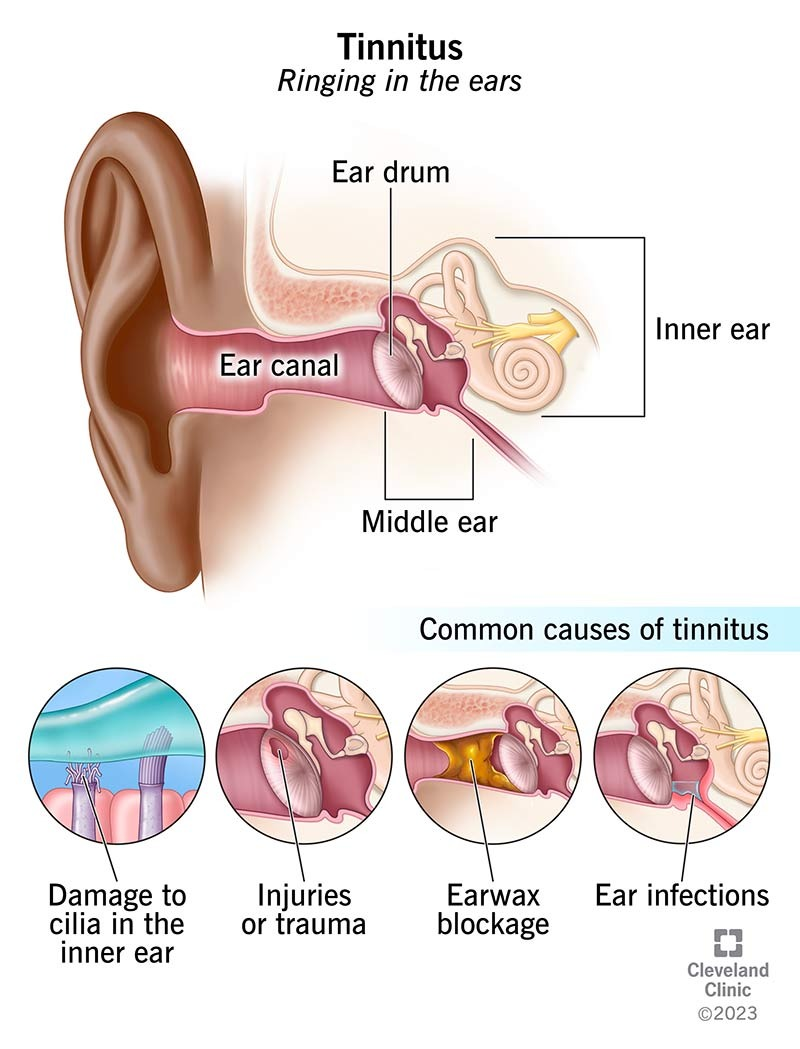
Tests performed at the centre
Select any assessment to read what it measures, how it is performed, how to prepare and what the results mean.

Warning signs
When it is time to book
Hearing loss is gradual, and most people wait years before acting. These are the signs worth taking seriously.
- You hear people speaking but cannot make out the words, especially in a crowded room.
- Family complain the television or radio is too loud.
- You ask people to repeat themselves several times a day.
- Ringing, buzzing or hissing in one or both ears.
- Dizziness, spinning or unsteadiness on your feet.
- A child who is slow to speak, inattentive at school, or turns only when you touch them.
- You work around machinery, generators, engines or loud music.
- Sudden loss of hearing in one ear, which should be treated as urgent.
What your visit includes
A standard diagnostic appointment covers history taking, otoscopic examination, pure tone audiometry with masking where required, speech testing, tympanometry with acoustic reflexes, and a full explanation of the findings. Additional tests are added when the history calls for them.
- Typical duration
- 45 to 60 minutes
- Results
- Same day, explained in person
- Report
- Written and signed for your doctor
- Languages
- English and Kiswahili