
Ringing in the ears, tinnitus matching, sound therapy
Tinnitus Assessment and Management
A full evaluation of ringing, buzzing or hissing in the ears, followed by a management plan combining sound therapy, amplification, counselling and habituation.
What this assessment is
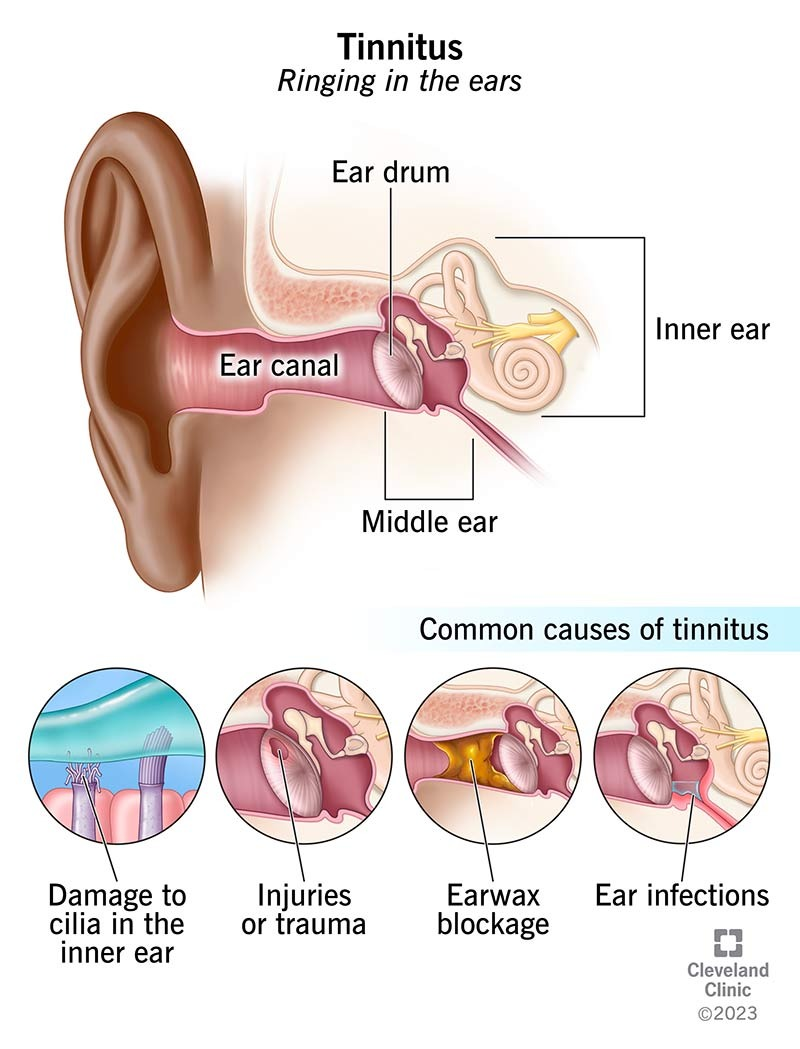
Tinnitus is the perception of sound with no external source, most often described as ringing, buzzing, hissing, whistling or the sound of crickets. It is a symptom rather than a disease. It commonly arises when damage to the delicate hair cells of the inner ear reduces the input reaching the brain, and the auditory system compensates by increasing its own gain. Common contributors include noise exposure, age related hearing loss, wax blockage, middle ear infection, head injury, certain medications, high blood pressure and stress. Our purpose in assessment is to identify anything treatable, characterise the tinnitus precisely, and then reduce the distress it causes.
Why it matters
- Around one adult in seven experiences persistent tinnitus, and a significant minority find it affects sleep, concentration and mood.
- Tinnitus in one ear only, pulsating tinnitus, or tinnitus with sudden hearing loss are warning signs that need prompt medical assessment.
- Most tinnitus accompanies a hearing loss the person has not yet noticed. Treating the hearing loss frequently reduces the tinnitus.
- Habituation is achievable. The goal is not always silence, it is for the sound to stop demanding your attention.
At the centre
How it looks in practice
Photographs taken at Mombasa Hearing Centre during real clinical sessions.

Step by step
How the assessment is performed
Each stage follows established audiological protocol, and you are told what is happening before it happens.
- 1
Detailed tinnitus history
We record when it started, whether it is constant or intermittent, one ear or both, pulsating or steady, and what makes it worse. We also screen for the impact on sleep, concentration and mood using a structured questionnaire so change can be measured later.
- 2
Otoscopy and medical screening
Ears are examined for wax, infection and eardrum abnormalities. We review blood pressure, medication and relevant medical history, and refer to ENT for pulsatile, unilateral or sudden onset tinnitus.
- 3
Full audiological evaluation
Pure tone audiometry, including high frequency thresholds where indicated, plus tympanometry and acoustic reflexes. A hearing loss is found in the great majority of cases and is central to the plan.
- 4
Pitch and loudness matching
You compare your tinnitus with tones presented at different frequencies and levels until the closest match is found. We also measure the minimum masking level and check for residual inhibition, the period of quiet that sometimes follows a masking sound.
- 5
Uncomfortable loudness levels
Because tinnitus often coexists with sound sensitivity, we measure the levels at which everyday sound becomes uncomfortable. This protects against over amplification at the fitting stage.
- 6
Management plan
The plan is built around education about the mechanism, sound enrichment so the brain has something else to listen to, hearing aids or combination devices with built in tinnitus generators where there is hearing loss, sleep and relaxation strategies, and structured follow up to track improvement.
How to prepare
- Keep a short diary for a week before the appointment noting when the tinnitus is loudest and what you were doing.
- Bring a list of all medications, including anything bought over the counter.
- Avoid loud noise and heavy caffeine the day before, as both can temporarily worsen the sound.
- Bring a partner or family member if the tinnitus is affecting your sleep or mood. Their observations help.
Understanding your results
- Tinnitus with hearing loss
- The most common finding. Correctly fitted and verified hearing aids restore missing input, reduce the internal gain and are frequently the single most effective step.
- Tinnitus with normal hearing
- Management focuses on sound enrichment, sleep hygiene, stress reduction and habituation therapy, with high frequency testing to look for hidden damage.
- Findings needing medical referral
- Pulsatile tinnitus, one sided tinnitus with asymmetric hearing, sudden onset or tinnitus with vertigo are referred promptly to ENT with our full report.
FAQ
Common questions
Will my tinnitus ever go away?
Sometimes, particularly when there is a treatable cause such as wax or infection. When it persists, the realistic and very achievable goal is habituation, where the sound remains but no longer intrudes.
Is silence good for tinnitus?
No. Quiet rooms make tinnitus more noticeable. Gentle background sound, a fan, soft music or a sound generator, gives the brain an alternative to focus on.
Do hearing aids help tinnitus?
Very often, yes. They restore the sound the brain is missing, and many modern devices also include dedicated tinnitus sound generators that we tune to your matched pitch.
Should I worry?
Most tinnitus is not dangerous. Seek prompt assessment if it is in one ear only, pulsates in time with your heartbeat, follows a head injury, or comes with sudden hearing loss or dizziness.
Explore
Other tests we perform
Pure Tone Audiometry
The reference test for hearing. It maps the quietest sounds you can detect across the speech frequencies and shows whether a loss sits in the outer, middle or inner ear.
Paediatric Hearing Assessment
Age appropriate testing for babies and children, using play, toys and visual rewards to obtain reliable thresholds long before a child can describe what they hear.
Tympanometry and Impedance Audiometry
A rapid objective measure of how the eardrum and middle ear move, detecting fluid, negative pressure, perforation and ossicular problems within seconds per ear.